

Fathers and boys’ clubs challenge Gambia's unspoken marital struggles
March 25, 2026

Members of the fathers' club in Basse district holding a meeting.
In The Gambia and across much of the sub-region, men are often raised to endure quietly. From a young age, they are taught that strength means silence, especially on issues linked to gender-based violence, sexual harassment, rape and rigid gender roles. Admitting vulnerability is seen as weakness. Speaking out about abuse, particularly within marriage, is almost unthinkable.
This deeply rooted culture has left many men suffering in silence.
In the Upper River Region, however, that long-standing norm is slowly being confronted. Through community-driven advocacy, the Fathers’ Club and Men for Equality initiative under the stewardship of Malick Baldeh is opening conversations that were once considered taboo. Their focus is not only on protecting women and girls, but also on addressing the rarely discussed realities some men face in their marital homes.
Many married men, according to Mr Baldeh, experience sexual harassment, molestation, coercion and physical abuse but lack the courage to report or even discuss it. Societal expectations that “men do not cry” or cannot be victims of abuse often discourage them from seeking help.
The chairperson of the Fathers’ Club and Men for Equality highlighted the stigma that keeps many men silent, sharing observations from his community:
“For the first time, I witnessed a married woman physically assaulting her husband, for the first time a woman conditioned her husband that if you fail to do this or that for me, I wouldn’t satisfy you in bed. If you come as a man to tell people that my wife beat me or refuse to fulfil her marital obligations, it will be hard as a man to come out to tell people of what you are going through due to what society will perceive you, so it’s hard”.
He stressed that advocacy and awareness creation are essential in building a more informed society where both men and women can speak openly about abuse without fear of ridicule.
Muhammed, a member of the Fathers’ Club and Men for Equality, spoke about the group’s broader engagement in tackling harmful practices such as FGM/C, child marriage and rape, noting their collaboration with the National Human Rights chapter in Basse on reported cases.
“We had discussions, communication channels that are opened where they follow cases that are reported through our communities and we take it up from before it reaches to other levels that is more serious but we have also done great jobs where cases are handled to make sure the perpetrators are dealt with according to the law”. While the Fathers’ Club works with adult men, a parallel effort is unfolding among younger boys.
In many Gambian homes, domestic chores like sweeping, cooking and fetching water are considered girls’ responsibilities. Boys are often discouraged from participating, reinforcing inequality from childhood and limiting their life skills. Though attitudes are gradually shifting, traditional expectations continue to shape how children are raised.

In Nasir Ahmadiyaa in Basse, the newly formed Boys’ Club is challenging these beliefs head-on. The club encourages boys to question rigid gender roles and to see equality as a shared responsibility.
Momodou, president of the Boys’ Club, explained how the initiative is changing mindsets among students and within surrounding communities:

“Before I find it very difficult to launder among women or girls in society and I can vividly remember when I was sent out of the class for not sweeping the classroom because of how I was taught as a boy but now I am against all those beliefs as the boys club we are put more efforts in discouraging such perception and our different members are also reaching out to their community as young ambassadors”.
The effort to reshape attitudes is particularly significant in rural Gambia, especially in the Upper River Region, where many girls continue to face child marriage, FGM/C and restrictive gender norms. Early marriage and harmful traditional practices often force girls out of school, while poverty, heavy domestic workloads and limited access to education further reduce their opportunities.
Despite existing laws, deep cultural expectations and weak enforcement mean many girls still grow up with fewer choices. For change to be meaningful, advocates argue, boys and men must be part of the conversation.
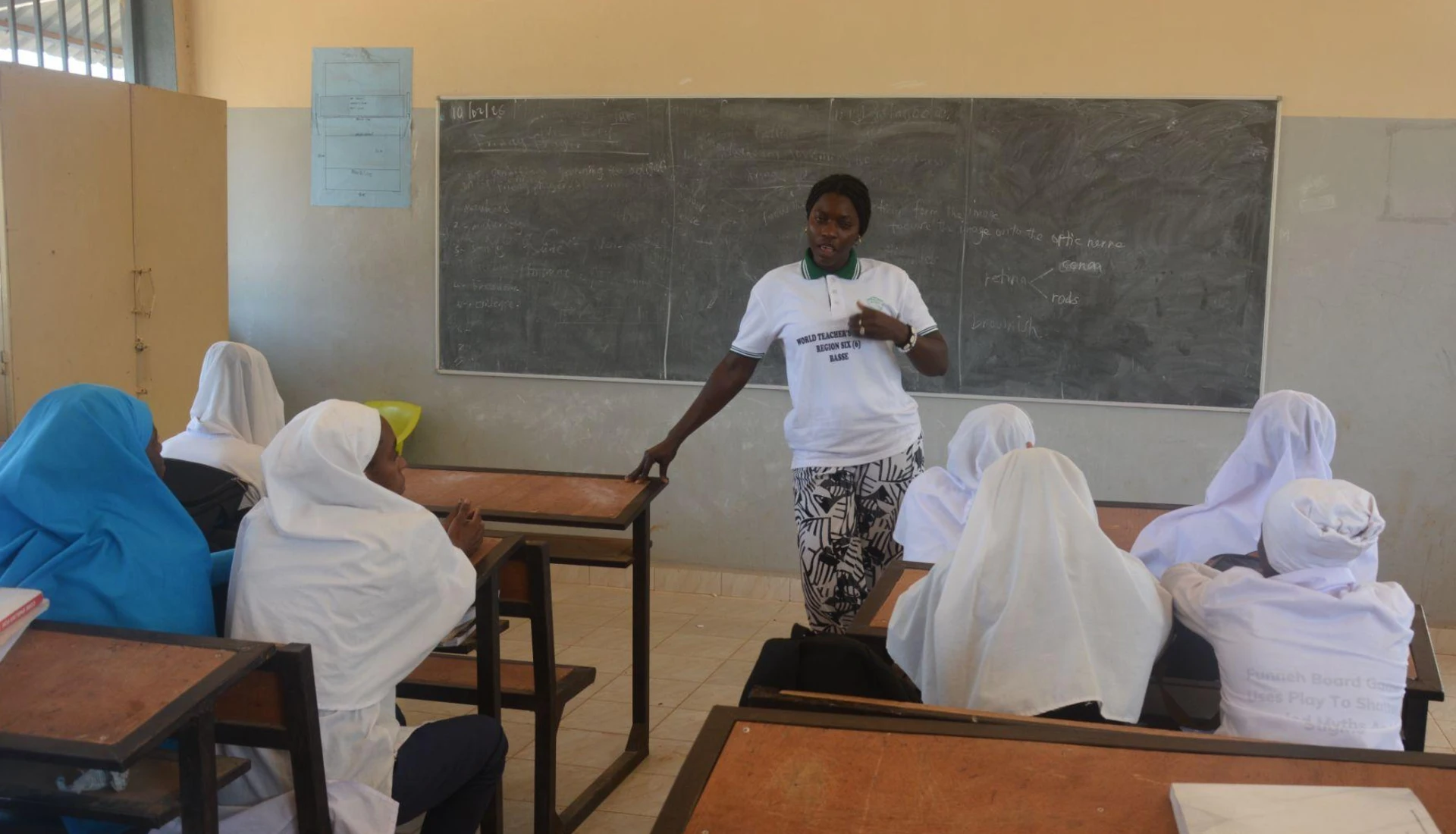
At Numuyel Senior Secondary School, Fatoumatta, a member of the Girls’ Club, is actively engaging her peers on issues affecting young girls, including teenage pregnancy, early marriage and the dangers of FGM/C.
“I was on the assembly grounds and classrooms for many occasions talking to my peers on teenage pregnancy, early marriage, and the dangers of FGM/C and how as girls we can be ambassadors of empowerment and change in societies”.
Together, these community initiatives are challenging long-held assumptions about masculinity. They are slowly dismantling the belief that men must endure suffering quietly and that gender equality is a one-sided struggle.
In the Upper River Region, the message is becoming clearer: breaking the silence is not a sign of weakness. It is a step towards justice, balance and healthier families.
SHARE:


Related Resources
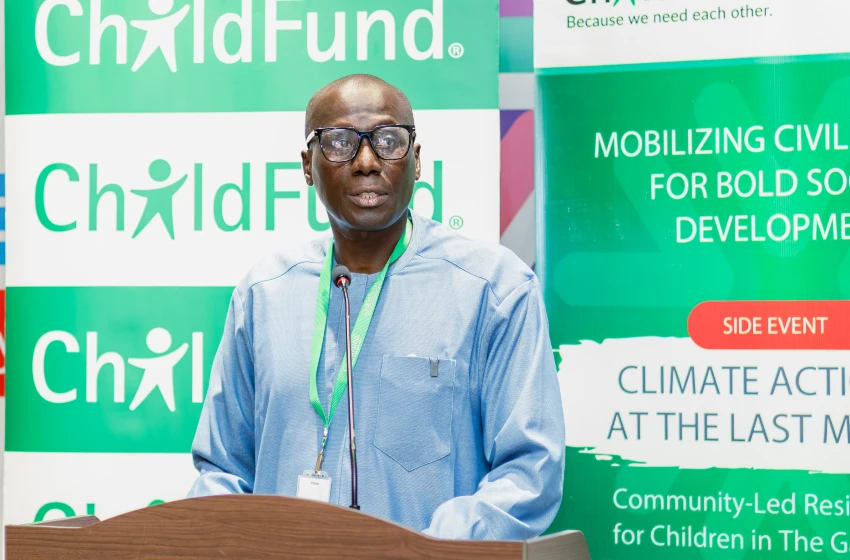
ChildFund calls for more investment in community-led climate action
ChildFund has called for increased investment in community-led climate initiatives, warning that limited funding continues...
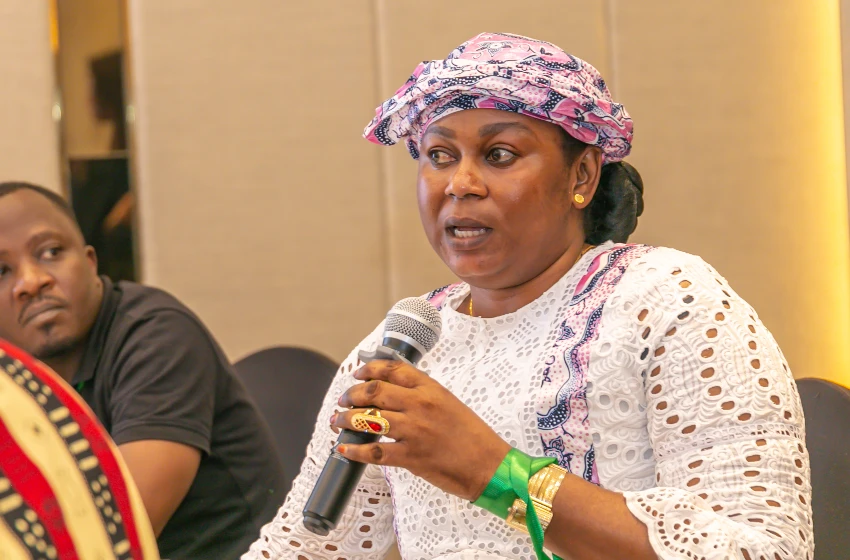
“Our Children Must Be Safe to Learn” – ChildFund Country Director
As schools reopen across The Gambia, ChildFund The Gambia has called for renewed commitment from...
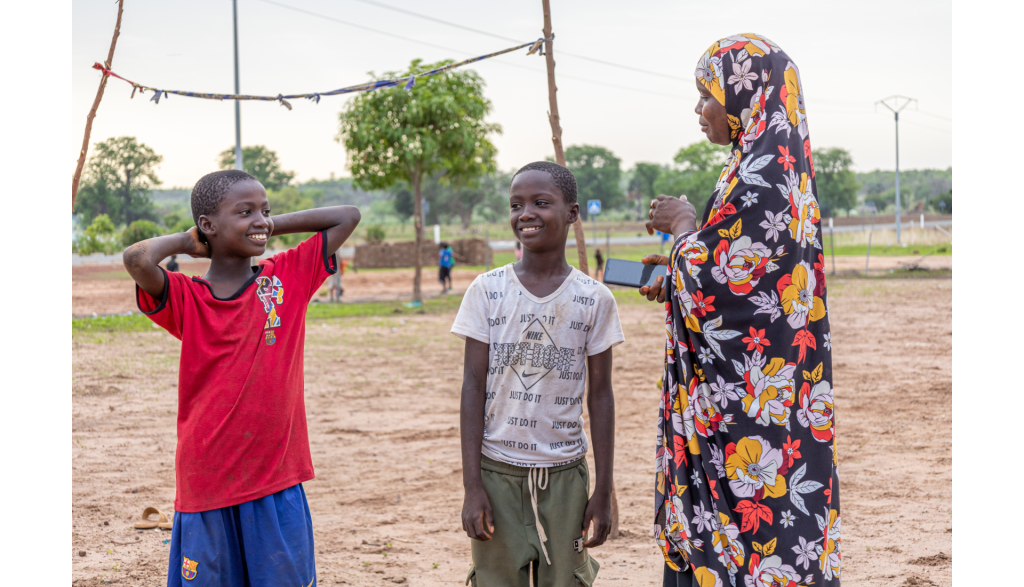
“The whip is no longer my first response”: a quiet parenting shift across rural Gambia
Across many rural communities in The Gambia, harsh discipline has long been seen as the...