

Building a Safer Future for All Girls: ChildFund Ramps Up Action on Child Marriage and FGM/C
May 6, 2025

Fifth grade student Fatumata (14, in white), and other girls, attend class at a ChildFund-supported school in the Western Region.
More than 69,000 girls and young women in The Gambia were married before the age of 15 (UNICEF,2021). This is a devastating reality that robs them of their childhood, education, and the chance to live safe and healthy lives.
Child marriage doesn’t just end a childhood. It begins a cycle of harm. Girls who are married early often face early pregnancies, drop out of school, are cut off from friends and support, and face a higher risk of abuse.
ChildFund is joining forces with partners to better protect girls from harmful practices. Working with the Gambia Country Advocacy Working Group, we have improved our national advocacy plan with a clear focus: ending child marriage in The Gambia.
We are putting this plan into action through projects that not only protect girls but give them the tools and opportunities to grow, learn, and lead.
One key initiative driving change is the Zero Out of School Children (ZOOSC) Project, launched in 2022 as part of a national effort to ensure that every child in The Gambia has access to education. Spearheaded by the Ministry of Basic and Secondary Education, the Office of the First Lady of The Gambia, UNICEF, and the Education Above All (EAA) Foundation, the project aims to reach 66,765 out-of-school children and adolescents, giving them access to quality primary education.
The three-year initiative is being implemented across the country by the Ministry of Basic and Secondary Education, ChildFund, and the Education for All Campaign Network (EFANET), in close coordination with UNICEF and the EAA Foundation’s Educate A Child (EAC) programme, with generous support from the Qatar Fund for Development (QFFD).
ChildFund’s role focuses on community engagement and outreach—identifying out-of-school children, especially girls and children with disabilities, and helping them re-enroll in school. The project also raises awareness about the dangers of child marriage and why keeping girls in school is one of the most effective ways to protect them from early marriage, violence, and exploitation.

Notably, ChildFund is also working with MoBSE and other child protection groups to run programs like the School-Based Violence Prevention (SBVP) initiative.
These programs help create safer homes, schools, and communities. They bring together teachers, parents, leaders, and children to stop violence before it starts and make sure every child feels protected and supported.
“The School-Based Violence Prevention project will complement government efforts in protecting children and reinforce community participation in their children’s welfare,” said Bintou Fatty, former Director of Children’s Affairs, at the SBVP project launch in Jambanjelly.
The emotional, physical, and psychological scars of violence can stay with children for life, making it harder for them to learn, grow, and reach their full potential.
On World Children’s Day, a ChildFund-sponsored girl, Jainaba, spoke on behalf of children across The Gambia: “Some of us are lucky to be in school today. But many others are not. They’re on the streets selling, begging, or doing chores to survive. Some are even being abused or trafficked. We need more action to make sure all children are safe and in school.”
To make sure girls’ voices are heard, ChildFund has helped start The Girls’ Platform. This is an all-girls advocacy group in every area where our Federation Partners work, including the Upper River Region, Central River Region, Lower River Region, and North Bank Region. These groups lead community outreach to speak out against child marriage and female genital mutilation (FGM) and encourage families to invest in girls’ futures.
From community conversations to influencing national policies, ChildFund and its partners are standing up for girls, so they can grow up healthy, educated, skilled and safe and free to decide their own future.
SHARE:


Related Resources
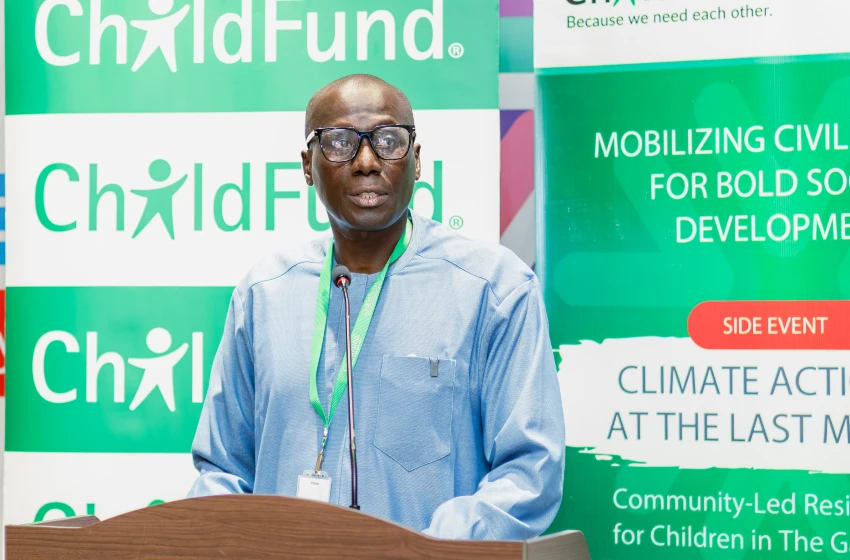
ChildFund calls for more investment in community-led climate action
ChildFund has called for increased investment in community-led climate initiatives, warning that limited funding continues...
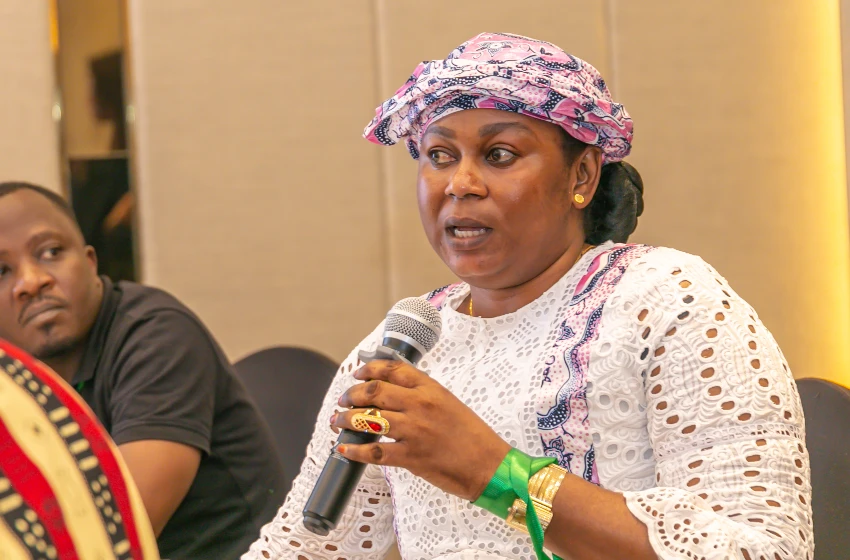
“Our Children Must Be Safe to Learn” – ChildFund Country Director
As schools reopen across The Gambia, ChildFund The Gambia has called for renewed commitment from...
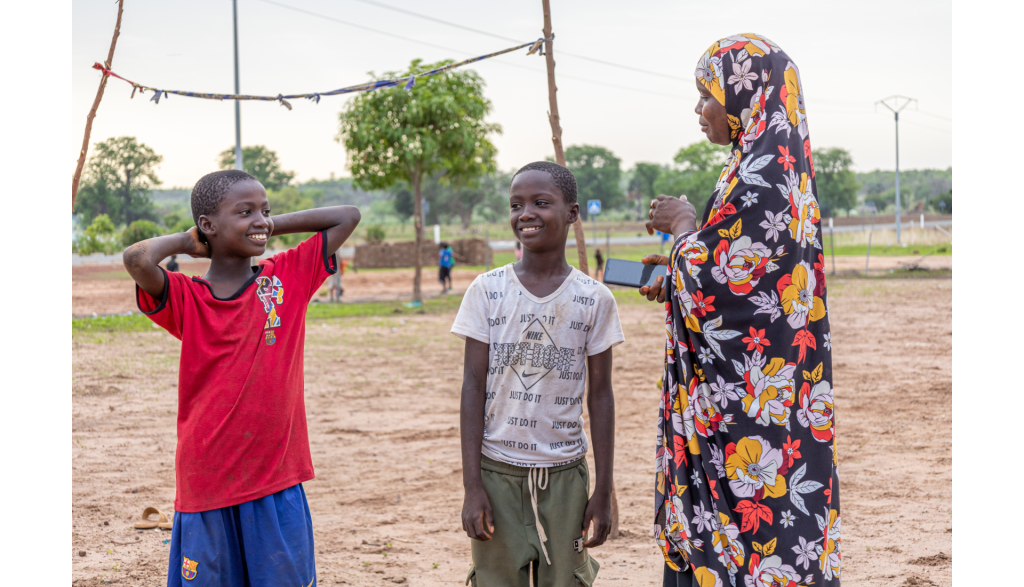
“The whip is no longer my first response”: a quiet parenting shift across rural Gambia
Across many rural communities in The Gambia, harsh discipline has long been seen as the...