A lifetime of good health begins in childhood.

Children constitute a significant portion of The Gambia’s population. As of 2023, approximately 40.73% of the population is under the age of 15 (approximately 634,000 children). Despite some progress, many children and women of reproductive age face serious health and nutrition challenges. According to the Global Nutrition Report, 49.5% of women aged 15 to 49 in The Gambia are affected by anemia, highlighting a critical public health concern. While the country has made positive strides in maternal, infant, and young child nutrition (MIYCN), progress remains limited in addressing diet-related non-communicable diseases (NCDs).

Malnutrition and poor health among children are compounded by factors such as inadequate dietary diversity and persistent food insecurity. These challenges underscore the urgent need for comprehensive, community-led health and nutrition programs that address root causes and support vulnerable populations.

Working through trusted local partner organizations, ChildFund supports communities as well as local and national government health systems to address children’s health needs from before birth to young adulthood. Our programs focus on several intersecting areas, creating impact leading to lifelong health for children and families no matter where they are.

Our Impact

Facts and  figures from 2024 data.

Our Approach

ChildFund is committed to ensuring that every child has the opportunity to access and complete a quality education in a safe and supportive environment. We work closely with governments and key partners to protect children in schools, homes, and communities, recognizing that learning can only thrive where children feel safe and valued.

In addition, ChildFund provides direct support to schools to strengthen the quality of teaching and learning, helping to create inclusive, child-friendly environments where all children, especially the most vulnerable, can reach their full potential.

ChildFund provides direct support to government healthcare services by supplying essential medicines and medical supplies through the Ministry of Health. Over the past five years, and with the support of partners including MAP International and the Catholic Medical Mission Board, ChildFund has donated pharmaceuticals and medical equipment valued at over USD 5 million. These supplies have been distributed to public health facilities across all six regions of The Gambia, contributing to improved access to quality healthcare and the strengthening of the national health system.

Learn more:

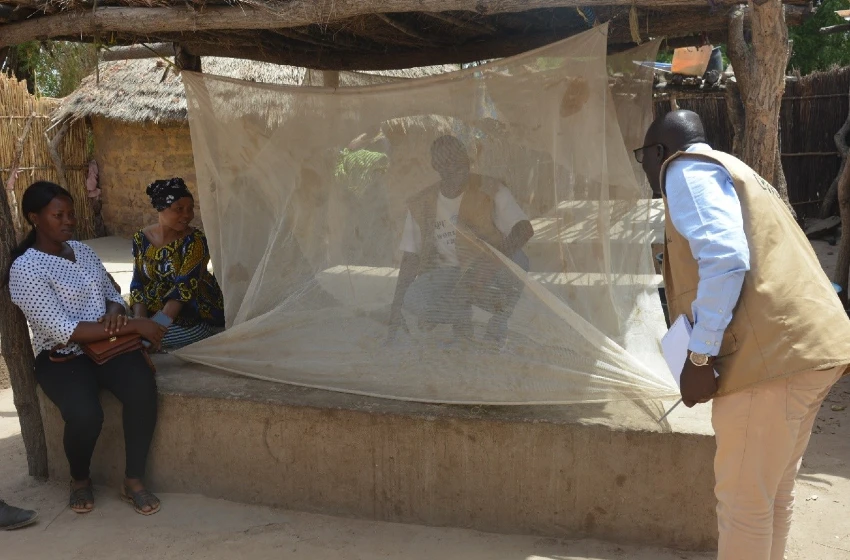
ChildFund partners with local leaders, women’s groups, and community networks to promote antenatal care, immunizations, proper nutrition, and safe delivery practices, whether at home with skilled birth attendants or in healthcare facilities. Through collaboration with local partners, we monitor the growth and development of infants and young children to ensure their well-being.

Trained community health workers provide new mothers with comprehensive education on maternal and child health, empowering them to make informed decisions. We also facilitate access to essential health services, linking mothers to skilled birth attendants, immunization programs, and nutritional support to promote healthy pregnancies and safe childbirth.

ChildFund supports access to life-saving health services by covering medical expenses for children enrolled in its sponsorship program. Since 2022, ChildFund has paid healthcare bills for more than 14,000 children, ensuring timely treatment and continuity of care. In addition, ChildFund regularly supplies critical medicines to local health clinics in its areas of operation, helping bridge gaps in essential service delivery and reducing the burden on vulnerable families. These efforts directly contribute to improving child survival and health outcomes in underserved communities.

ChildFund’s Responsive and Protective Parenting (RPP) model integrates nutrition education into a broader childcare and protection framework, currently active in four regions of The Gambia. The program aims to improve caregivers’ Knowledge, Attitudes, and Practices (KAP) on the nurturing care framework, with a strong emphasis on early childhood nutrition.

Through structured caregiver sessions led by trained facilitators, parents, especially fathers, who are often less involved in early childcare, are equipped with practical skills to support their children’s health and development. In FY24, 1,620 caregivers enhanced their understanding of key practices, including the preparation of nutritious meals using locally available cereals and foodstuffs. Participants also learned to create stimulating play environments with homemade toys, reinforcing the link between good nutrition, early stimulation, and child well-being.

To enhance household food security and improve child nutrition, ChildFund supports families to establish and maintain backyard gardens. These gardens enable caregivers to grow a variety of fruits and vegetables, ensuring year-round access to nutritious foods essential for children's growth and development. In addition to meeting household consumption needs, surplus produce is sold to generate income, which families can use to meet other basic needs such as education and healthcare.

Featured Project

Promoting Nutrition and Holistic Childcare in Rural Nianija District

Nianija district, located in the rural Central River Region, faces significant challenges in child care and early childhood development. Limited access to information and resources means many parents struggle to provide adequate nurturing, stimulation, and proper nutrition, which are critical foundations for healthy growth, especially for children with disabilities.

To address this gap, ChildFund, with funding from the World Bank Group, introduced a Playful Parenting Programme – the first of its kind in the community. This initiative focused on training caregivers to enhance their capacity in child nutrition, hygiene, and responsive caregiving through playful, hands-on learning. Caregivers were taught to create safe and stimulating play materials using accessible local resources, and to incorporate nutrition-sensitive practices into daily child care. The program aims to strengthen family bonds, improve children’s health and development outcomes, and promote inclusive care that meets the diverse needs of all children in this rural setting.

Providing Quality Healthcare Services for Children with Disabilities

ChildFund, Cure International and Dow have joined forces to support children living with physical disabilities.

What's New ?

  • All Posts
  • Advocacy
  • Child Protection
  • Child Sponsorship
  • Early Childhood Development
  • Education
  • Emergency Response
  • Environmental Sustainability
  • Food Security
  • Health & Nutrition
  • Localization
  • News & Stories
  • Opinion
  • Press Releases
  • Water, Sanitation & Hygiene
  • Youth Development