

Foni communities restore coastline, plant over 17,200 mangrove seedlings
May 21, 2026
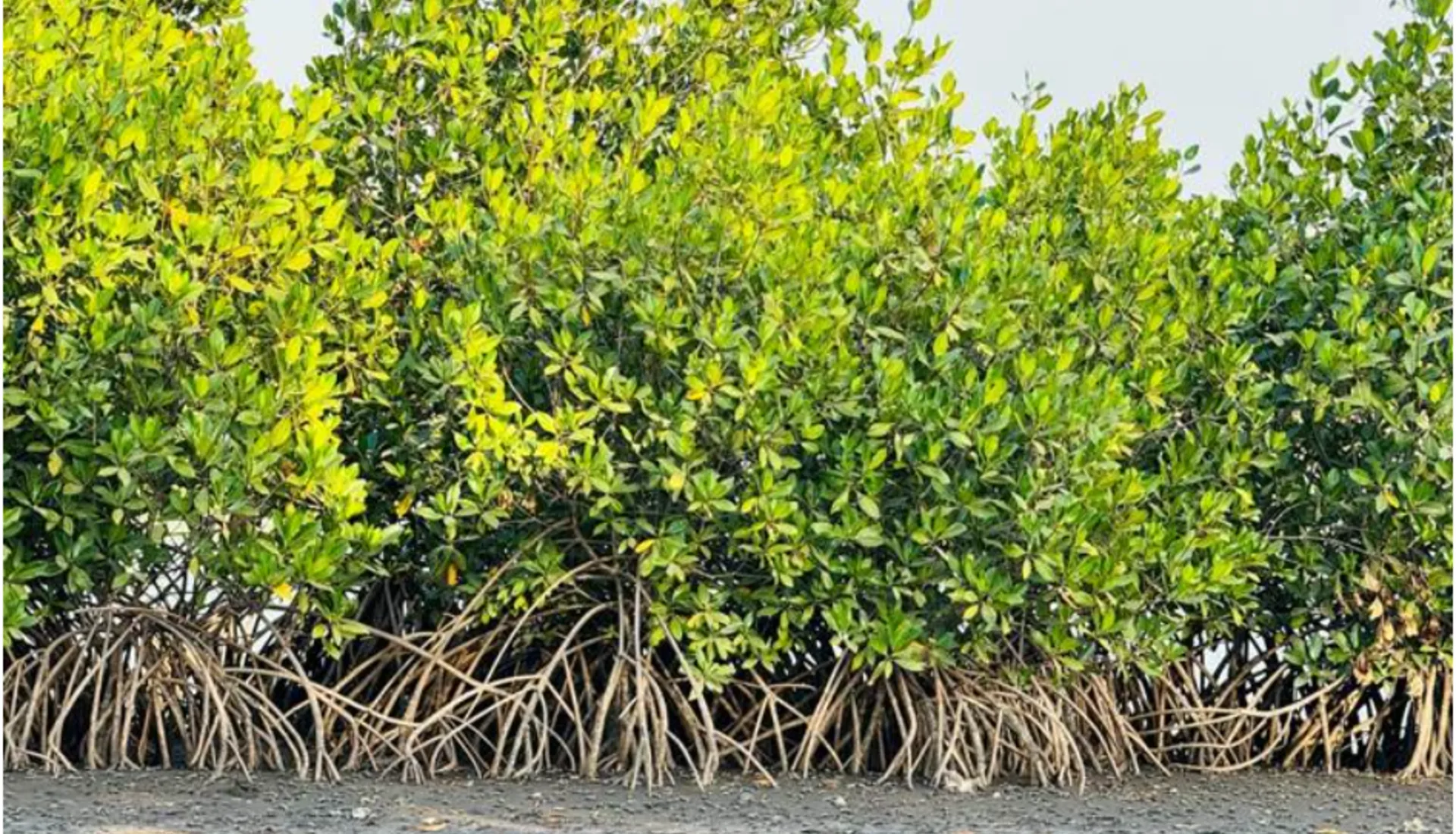
First mangroves planted in 2009
Mangrove forests have long supported both the environment and the livelihoods of coastal communities in Foni. What was once a reliable natural resource has steadily diminished, reducing fish and oyster stocks, cutting household incomes, and leaving communities more exposed to seasonal storms.
Mangroves play several essential roles in these coastal areas. Their roots provide breeding grounds for fish and oysters that many households rely on for income. They help stabilise shorelines, reduce erosion, and act as buffers against strong winds. They also store carbon, contributing to climate regulation. Over time, however, large sections of mangrove forest were cleared, often without replanting. Limited awareness of the long‑term effects allowed the degradation to continue, weakening both the ecosystem and the communities that depend on it.
As mangrove cover declined, the effects became increasingly visible. Fish and oyster populations dropped, reducing daily catches for families with few alternatives for income. With less natural protection, coastal areas experienced stronger storm impacts. The loss of forest cover also contributed to rising emissions from degraded land, adding pressure to communities already vulnerable to climate change.

In response, through our local partner, Foni Ding Ding Federation with funding from the Africa Research Excellence Fund (AREF), implemented a mangrove restoration initiative across two major communities. The project was carried out in collaboration with the Ministry of Environment, which provided technical guidance on suitable native mangrove species. Locally appropriate seedlings were selected and planted to match the coastal conditions of Foni.
Children and young people were actively involved throughout the process, from planning to monitoring, ensuring local participation and shared responsibility for the work being done.

Out of 17,200 seedlings planted, 90% have survived. More than 12,200 people, including 7,201 males and 5,000 females, are now directly benefiting from the restored mangrove areas. Community members are already observing changes.

Aja, a resident of sintet, noted that fish and oyster catches are beginning to return as the mangroves recover. “We are already seeing more fish and oysters in areas where the mangroves are growing back,” she said.
Beyond improved livelihoods, the restored mangroves are contributing to reduced erosion, improving biodiversity, and absorbing carbon, supporting both local resilience and broader climate adaptation efforts. The Federation regards the project as a demonstration of how environmental restoration can succeed when it is led locally and informed by community knowledge.


Related Resources
ChildFund calls for more investment in community-led climate action
ChildFund has called for increased investment in community-led climate initiatives, warning that limited funding continues...
How 8 years of sponsorship changed the Jallows’ lives
Ebrima is in his sixties and has not worked a formal job in years. He...
How communities in Kanuma and Betta, West Coast region are restoring forests
For many years, the forests surrounding the communities of Kanuma and Betta in the West...